

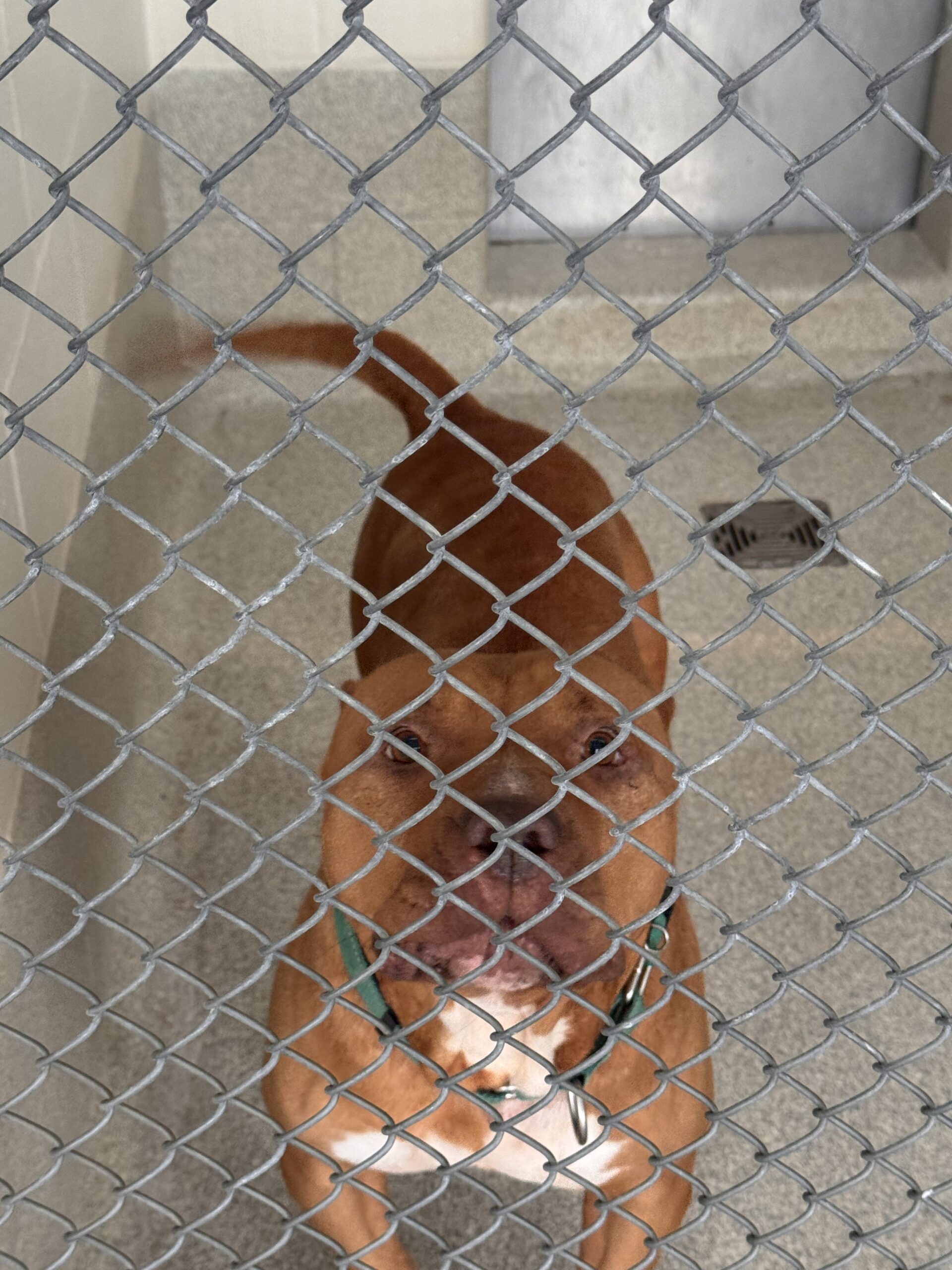

Behavioral euthanasia in dogs remains one of the most complex and debated topics in modern dog training, animal behavior, and shelter work. It challenges the widely held belief that every dog can be rehabilitated, while forcing professionals to weigh compassion against safety and long-term sustainability.
From the perspective of a professional dog trainer, behavioral euthanasia is not a first option—but in some cases, it is a necessary and responsible one. While many dogs can improve through structured training, environmental management, and consistency, there are instances where severe behavioral issues, trauma, and genetic predisposition create outcomes that cannot be safely resolved.
Understanding when rehabilitation is possible—and when it is not—is critical for ethical dog training, responsible dog ownership, and public safety.
What Is Behavioral Euthanasia in Dogs?
Behavioral euthanasia refers to the humane euthanasia of a dog due to severe and unmanageable behavioral problems. These are not minor training issues such as leash pulling or basic obedience gaps. Instead, they involve serious risks that compromise safety and quality of life.
Common scenarios include:
- Severe dog aggression or human-directed aggression
- Multiple bite incidents, especially with escalation in intensity
- Unpredictable or explosive behavior without clear triggers
- Extreme fear, anxiety, or panic responses that do not improve with training
- Inability to safely exist in a home or community environment
In professional dog training and canine behavior work, these cases are typically evaluated over time. Trainers assess thresholds, triggers, recovery time, and the dog’s ability to learn alternative behaviors. When progress remains minimal or unreliable, the long-term outlook becomes a central factor in decision-making.
According to clinical behavioral research, while behavior modification can be highly effective in many cases, some dogs present with conditions that carry a poor prognosis despite appropriate intervention (Overall, 2013).
The Reality: Not All Dogs Can Be Saved
Within rescue culture and social media, there is strong messaging that every dog deserves—and is capable of—a full recovery. While well-intentioned, this belief does not always align with real-world behavioral science or practical experience.
Some dogs experience levels of trauma that fundamentally alter how they process stress, stimuli, and social interaction. Chronic exposure to fear or instability can impact neurological development and emotional regulation, limiting the effectiveness of training interventions.
Research on stress physiology demonstrates that prolonged stress can create lasting changes in the brain, particularly in areas related to fear response and impulse control (McEwen, 2007).
In practical terms, this can result in dogs that:
- Remain in a constant state of hypervigilance
- React aggressively with minimal warning
- Struggle to recover after exposure to triggers
- Fail to generalize learned behaviors across environments
While improvement may occur in controlled settings, full rehabilitation—defined as safe, reliable integration into a typical home—is not always achievable.
Behavioral Regression After Adoption
One of the most overlooked risks in dog adoption, particularly with shelter dogs, is behavioral regression.
Dogs often behave differently once removed from the shelter or training environment. In shelters, elevated stress hormones such as cortisol can suppress certain behaviors. Once the dog transitions into a home and begins to decompress, previously hidden behaviors may surface.
This phenomenon has been documented in shelter behavior studies, which show that a dog’s behavior in a kennel environment is not always predictive of behavior in a home setting (Hennessy et al., 2001).
Key factors contributing to regression include:
- Change in environment and routine
- Different handling styles and expectations
- Lack of structure or consistency in the home
- Exposure to new triggers not present in the shelter
For dogs with serious behavioral concerns, regression can be significant. A dog that appeared manageable during evaluation may become reactive, aggressive, or unstable when placed with an adopter who lacks the experience or discipline required.
This directly contributes to high return rates and, in some cases, dangerous outcomes.
The Role of Genetics and Poor Breeding Practices
Behavior in dogs is shaped by both environment and genetics. While training can influence behavior, it cannot fully override genetic predisposition.
In recent years, the rise of backyard breeding and single-trait selection has contributed to an increase in behavioral instability. Dogs bred without consideration for temperament, nerve strength, or genetic health are more likely to develop issues related to fear, anxiety, and aggression.
Behavioral genetics research confirms that traits such as reactivity, fearfulness, and aggression have heritable components (MacLean et al., 2019).
Common breeding-related risk factors include:
- Selection based solely on appearance or size
- Breeding without temperament evaluation
- Inbreeding and reduced genetic diversity
- Lack of early neurological stimulation and socialization
These factors can produce dogs with low thresholds for stress and poor coping mechanisms. In such cases, training often becomes a management tool rather than a complete solution.
Management vs. Rehabilitation
A critical distinction in professional dog training is the difference between management and rehabilitation.
- Rehabilitation involves changing the dog’s behavior to a level where it can function safely with typical ownership.
- Management involves controlling the environment and handling to prevent unwanted behavior without fully resolving the underlying issue.
Some dogs can be rehabilitated. Others can only be managed.
The challenge arises when a dog requires near-perfect management to remain safe. This may include strict routines, avoidance of triggers, specialized handling techniques, and constant supervision.
While experienced trainers may be capable of maintaining this level of control, the average dog owner often cannot. When management fails, the consequences can be severe.
Ethical Responsibility and Public Safety
Behavioral euthanasia is ultimately a decision rooted in responsibility. It requires an honest evaluation of risk, quality of life, and realistic outcomes.
Key considerations include:
- The severity and predictability of the dog’s behavior
- The likelihood of successful and stable placement
- The skill level required for safe ownership
- The potential risk to people, other animals, and the community
- The dog’s long-term welfare under continued management
A dog that poses a significant and ongoing safety risk, and cannot be reliably rehabilitated, presents a serious ethical dilemma. In these cases, prolonging life without a viable path to safe placement may not serve the dog or the public.
A Balanced, Professional Approach
Supporting behavioral euthanasia in certain situations does not diminish the commitment to helping dogs. It reflects a balanced understanding of canine behavior, training limitations, and real-world outcomes.
As a professional dog trainer, the goal is always to attempt rehabilitation where appropriate—to apply structure, clarity, and proven training methods to give each dog an opportunity to improve.
However, experience also reinforces that outcomes are not always within control. Some dogs can be successfully rehomed. Some can be managed under specific conditions. And some remain unsafe despite consistent, informed effort.
Recognizing these distinctions is essential for maintaining integrity within the field of dog training and animal welfare.
Behavioral euthanasia is not about giving up on dogs. It is about making informed, responsible decisions based on safety, science, and the realities of behavior.
References
- Hennessy, M. B., Voith, V. L., Mazzei, S. J., et al. (2001). Behavior and cortisol levels of dogs in a public animal shelter
- MacLean, E. L., Snyder-Mackler, N., vonHoldt, B. M., & Serpell, J. A. (2019). Highly heritable and functionally relevant breed differences in dog behavior
- McEwen, B. S. (2007). Physiology and neurobiology of stress and adaptation
- Overall, K. L. (2013). Manual of Clinical Behavioral Medicine for Dogs and Cats