


Service dogs play an indispensable role in assisting individuals with disabilities, offering unconditional support, companionship, and functionality that significantly enhances their quality of life. These highly trained canine companions serve as not only aids but also as bastions of emotional and psychological solace, enabling their handlers to navigate everyday challenges while promoting independence and self-enrichment.
The Healing Power of Service Dogs
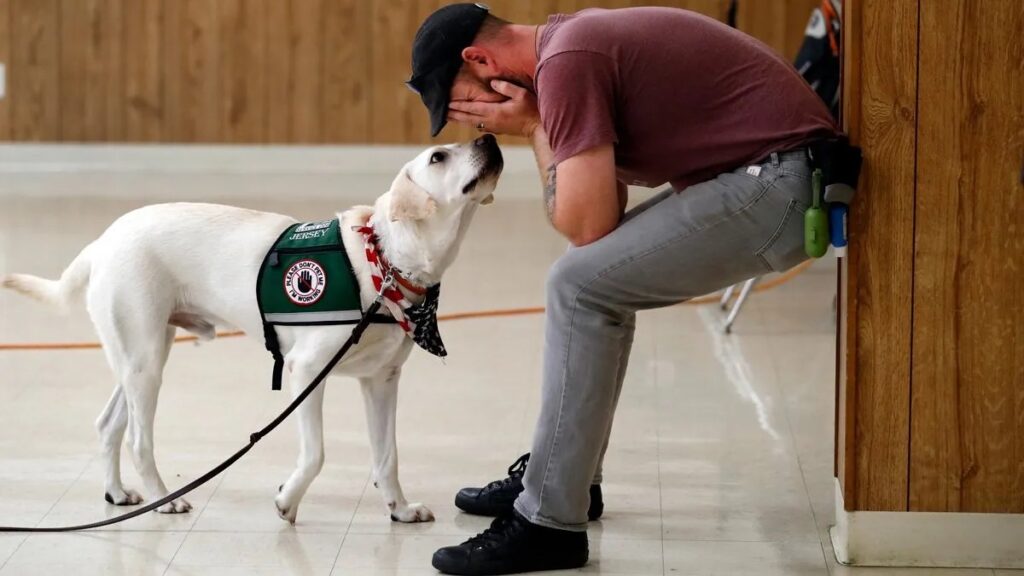
From guiding visually impaired individuals safely through bustling streets to alerting those who are deaf to critical sounds, service dogs are meticulously trained to perform specific tasks tailored to the unique needs of their handlers. This robust support engenders a sense of security and stability that fosters independence in the lives of those who might otherwise feel vulnerable or marginalized. Extensive research demonstrates that the mere presence of a service dog can ameliorate feelings of anxiety and depression, providing emotional sanctuary to individuals coping with mental health disorders, such as PTSD or severe anxiety.
The bond shared between a service dog and its handler transcends mere companionship. This symbiotic relationship nurtures a profound emotional connection, alleviating feelings of isolation and loneliness. The routine of nurturing a service dog creates an invaluable structure that promotes responsibility and consistency—cornerstones of emotional stability for many individuals. By investing time and energy into the care of a service dog, handlers not only gain a reliable helper but also welcome a steadfast friend into their lives.
Commitment and Responsibility of Ownership
Owning a service dog is a significant responsibility that entails more than merely receiving assistance; it is a lifelong commitment that requires training, grooming, and daily care. Handlers must navigate the multifaceted responsibilities involved in service dog ownership. This includes ensuring the dog is not only well-trained and socialized but also physically and mentally healthy, which requires considerable investment of time, effort, and financial resources.
The dedication to training and caring for a service dog fortifies the bond between the animal and its owner, highlighting the vitality of mutual respect and understanding. Handlers must diligently adhere to training protocols that optimize the service dog’s performance, ensuring it is prepared to assist in urgent or unexpected situations.
Moreover, this commitment extends beyond the home environment. Advocacy is essential, as service dog owners must navigate public perception and behavior, asserting their rights and defending the legitimacy of their service animals. Society plays a pivotal role in understanding and acknowledging the contributions of service animals and the legal protections that surround them.
The Impact of Fake Service Dogs
Regrettably, the proliferation of fake service dogs presents a substantial threat to the integrity of legitimate service animals. Misrepresentation of pet dogs as service animals not only undermines the extensive training that real service dogs undergo but also engenders confusion and skepticism in public spaces. Individuals who exploit this system inadvertently perpetuate negative stereotypes about service dogs, exacerbating challenges faced by legitimate handlers.
When a faux service dog misbehaves in public—barking excessively, displaying aggression, or being disruptive—it reinforces harmful perceptions and misconceptions about all service dogs. This creates an undue burden on actual service dog handlers, who may experience heightened scrutiny and societal stigma, leading to emotional distress and hindering their ability to lead fulfilling lives.
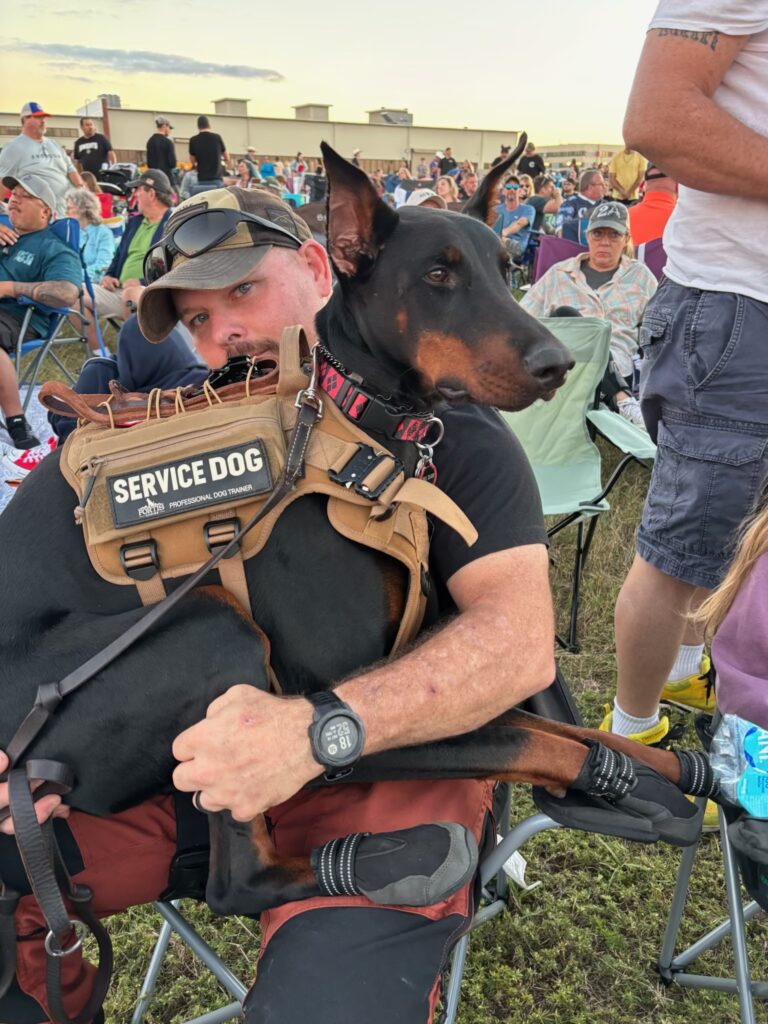
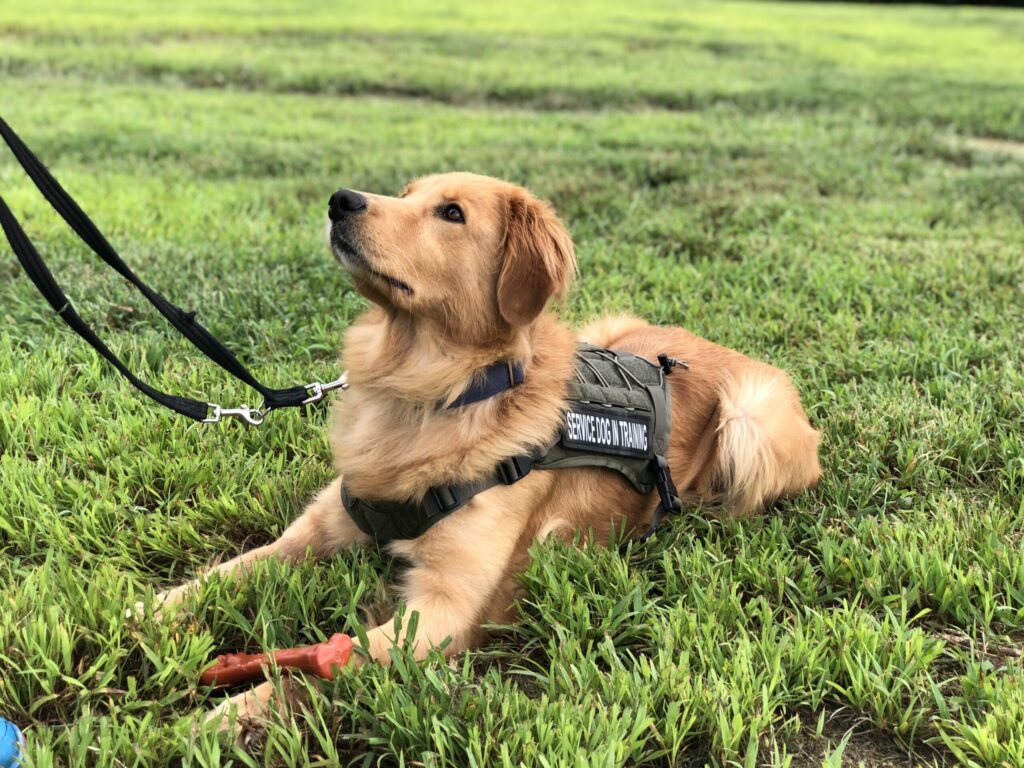
The Detrimental Consequences of Misrepresentation
The ramifications of fake service dogs extend beyond mere social scrutiny; they can significantly diminish the quality of life for individuals who depend on genuine service dog support. Misrepresentation erodes public trust and complicates the broader discourse on the fundamental rights of individuals with disabilities. Those with legitimate needs can suffer practical challenges, such as denied access to necessary public spaces, which exacerbates feelings of inequality and injustice.
The public must be educated to distinguish between legitimate service dogs and those falsely representing themselves as service animals due to insufficient training. While many laws and guidelines exist to protect handlers of service dogs, inconsistent enforcement remains a significant challenge. Advocacy for stringent regulations that require proper identification and training for service dogs is crucial to preserving the integrity of this essential assistance. However, when government interventions, such as identification and certification regulations, are introduced, the associated costs of obtaining a service dog often rise significantly. Additionally, these regulations can blur the lines of HIPAA violations, potentially complicating matters further. As a result, the increased scrutiny may lead to unwanted attention and discomfort for disabled handlers, ultimately detracting from the very benefits that service dogs are meant to provide.
Maintaining Integrity in the Service Dog Community
To combat the adverse effects of misrepresentation, it is imperative to promote a culture of awareness and education surrounding the roles and responsibilities of service dogs. This can include community workshops, informational campaigns, and partnerships with organizations dedicated to training service dogs. By spreading knowledge about the rigorous training and profound impact of legitimate service dogs, society can foster a more inclusive and understanding environment.
Advocating for the recognition of credible service dog organizations—those offering comprehensive training programs and tangible identification—will also bolster the legitimacy of service dogs in general. These organizations frequently conduct evaluations and follow stringent protocols, ensuring that only those who truly need assistance benefit from the invaluable help that a service dog provides.
Conclusion
Service dogs provide profound and invaluable support, enhancing the lives of individuals living with disabilities and fostering a greater sense of independence, security, and social inclusion. As we acknowledge the far-reaching benefits these remarkable animals bestow upon their human companions, it is equally vital to address the challenges imposed by the misuse of the service dog designation.
Understanding the responsibilities that accompany service dog ownership and remaining vigilant against misrepresentation can empower individuals to advocate for their rights and educate others. Together, we can cultivate a society that respects the critical roles service dogs play, ensuring that those who rely on them are afforded the opportunity to lead not only functional but fulfilling and enriched lives.